Menu

Menu

FIVA

Completed

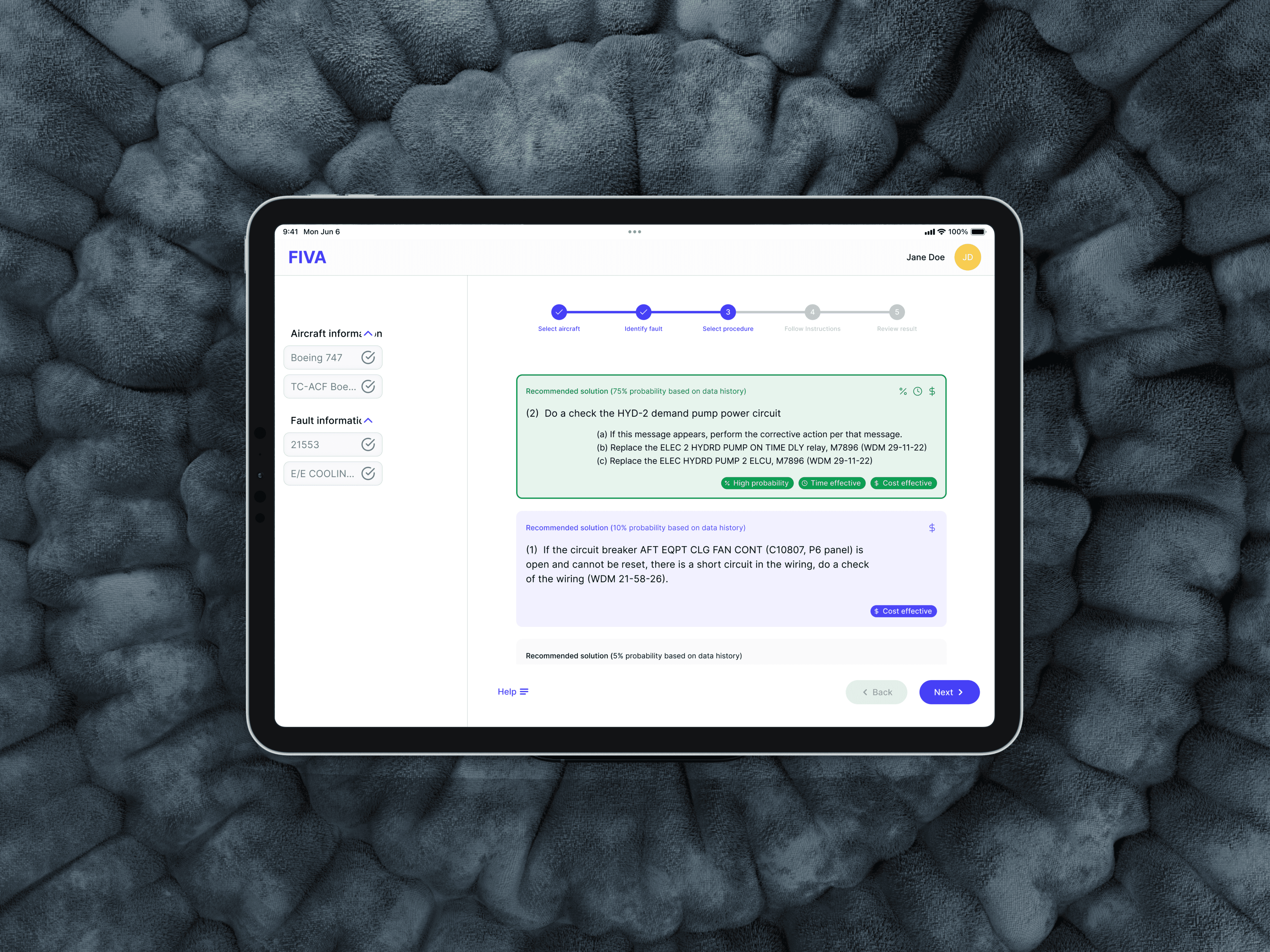
Tailored an AI solution for engineers, reducing dependencies by 30% and decreasing resolution time by 30%.

Tailored an AI solution for engineers, reducing dependencies by 30% and decreasing resolution time by 30%.

Tailored an AI solution for engineers, reducing dependencies by 30% and decreasing resolution time by 30%.

AI Solutions

Client Acquisition

Ethnographical studies

Contextual observations
Impact Snapshot

🔗 Enhanced Engineer Autonomy

🔗 Enhanced Engineer Autonomy

🔗 Enhanced Engineer Autonomy

🔗 Enhanced Engineer Autonomy

Projected a 30% reduction in junior engineers' reliance on seniors based on MVP results and historical data.

⏱️ 30% Faster Resolutions

⏱️ 30% Faster Resolutions

⏱️ 30% Faster Resolutions

Timed testing showed 30% faster fault completion rates compared to the historical manual workflow

🚀 Operational Impact reported

🚀 Operational Impact reported

🚀 Operational Impact reported

🚀 Operational Impact reported

Tests indicated tangible fault resolution improvements, validating the FIVA solution's potential ROI.

📈 User Adoption Growth

📈 User Adoption Growth

📈 User Adoption Growth

📈 User Adoption Growth

Increased engagement and interest in FIVA from other aviation industries (2)

Team

UX Researcher/UX Designer, Business analyst, Project managers

UX Researcher/UX Designer, Business analyst, Project managers

UX Researcher/UX Designer, Business analyst, Project managers

UX Researcher/UX Designer, Business analyst, Project managers

UX Researcher/UX Designer, Business analyst, Project managers

UX Researcher/UX Designer, Business analyst, Project managers

Contribution

UX Research (Ethnographical studies / contextual observations), User Flow Design, Scalable AI Integration, Prototype Presentation

Berlin

Berlin

Berlin

Berlin

Berlin

Tools

Figma, Confluence, Jira, Notion

Figma, Confluence, Jira, Notion

Figma, Confluence, Jira, Notion

Figma, Confluence, Jira, Notion

Figma, Confluence, Jira, Notion

Figma, Confluence, Jira, Notion

Timeline

2023 - 2024

2023 - 2024

2023 - 2024

2023 - 2024

2023 - 2024

2023 - 2024

Context

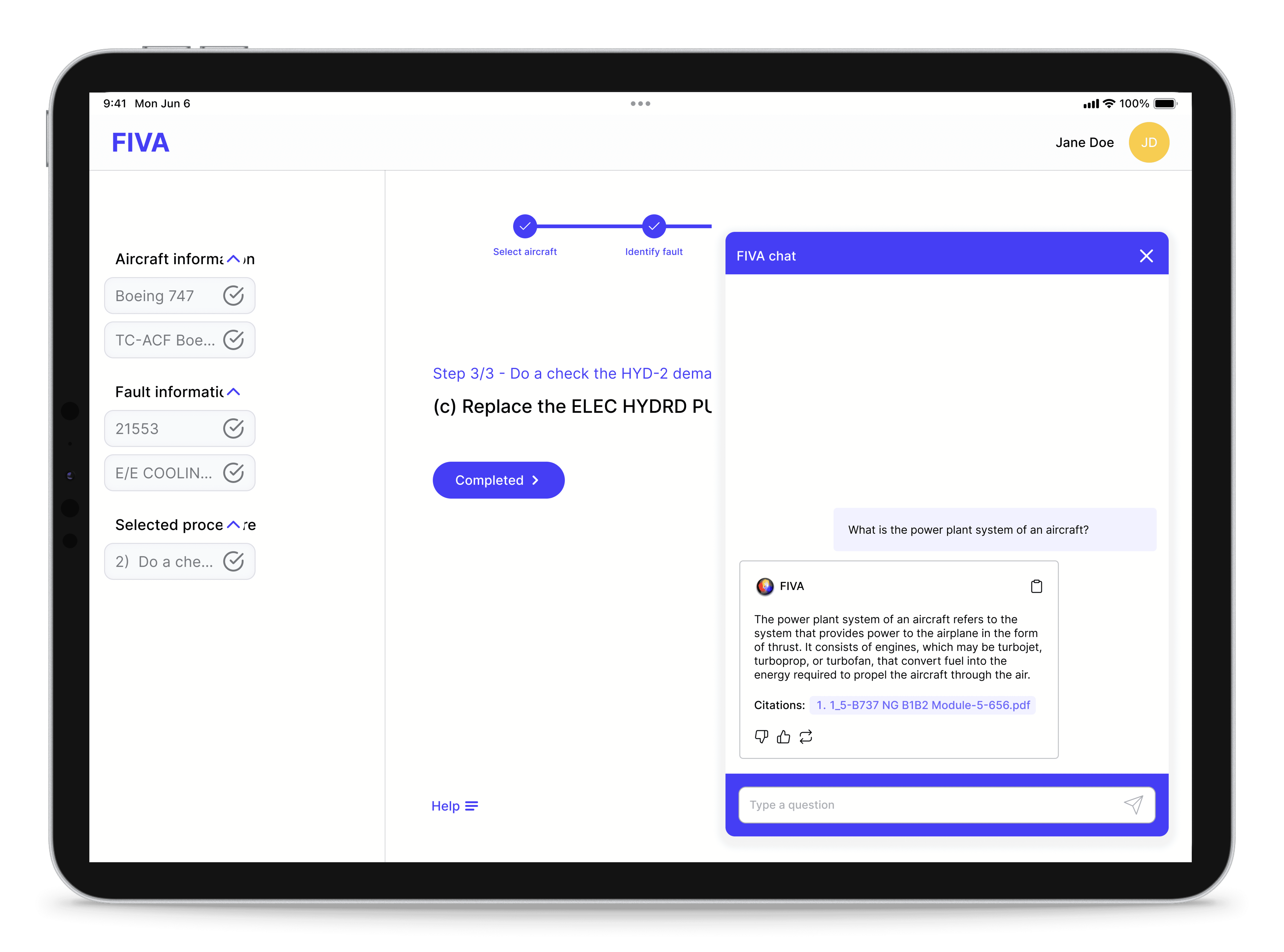
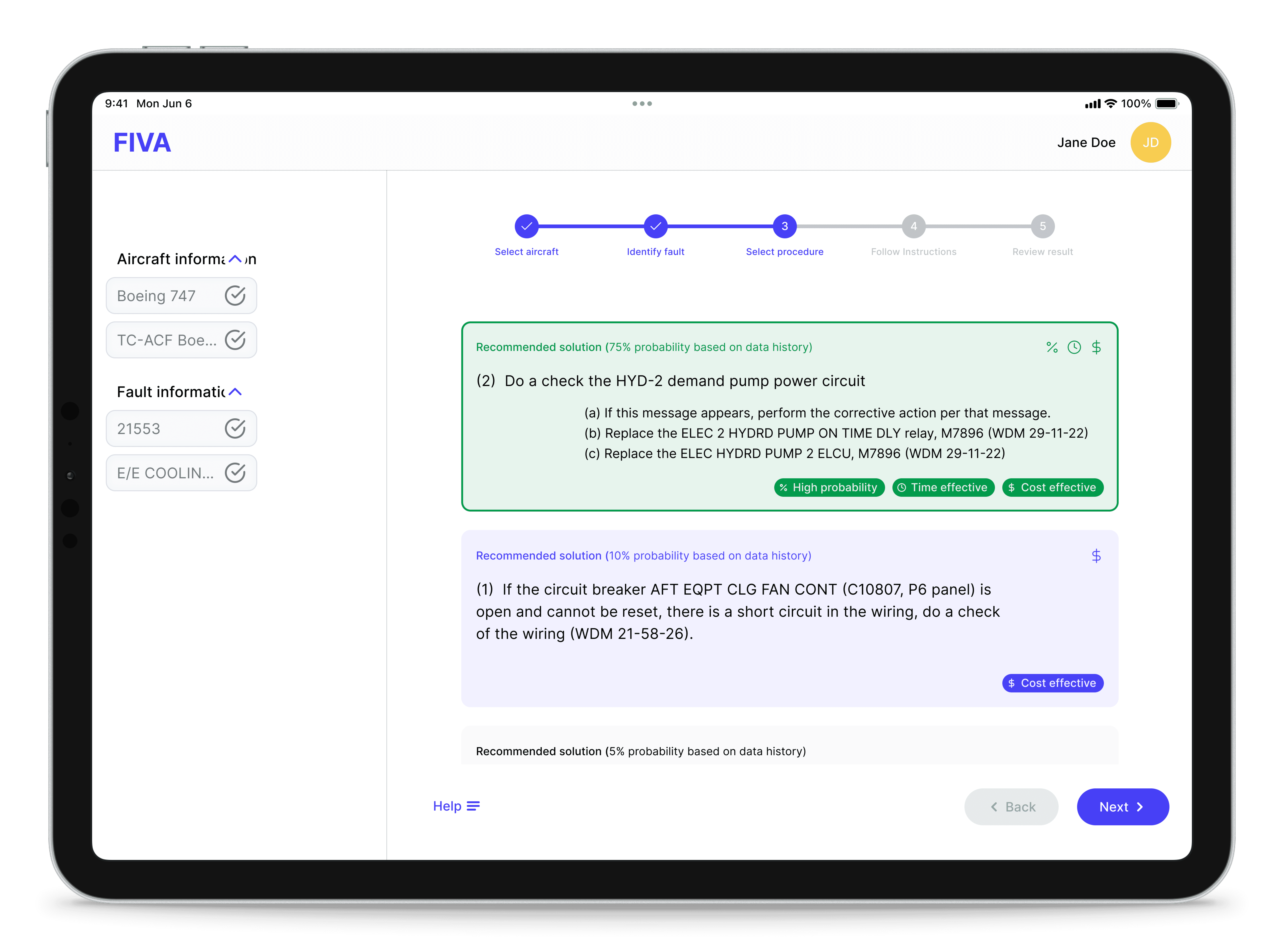
FIVA was developed to address inefficiencies in fault diagnosis within a leading aviation company. Engineers struggled with disconnected tools, ambiguous fault codes, and over-reliance on senior staff. I led UX research and design efforts to streamline these processes through AI-guided workflows and improved system integration.

To embed a website or widget, add it to the properties panel.

Quick Facts

Quick Facts

  • Backstory: Aviation engineers at Sabiha Gökçen Airport experienced delays in fault isolation due to fragmented data systems and manual processes.

  • The Problem: Junior engineers lacked autonomy, relying on senior staff for complex fault resolutions.

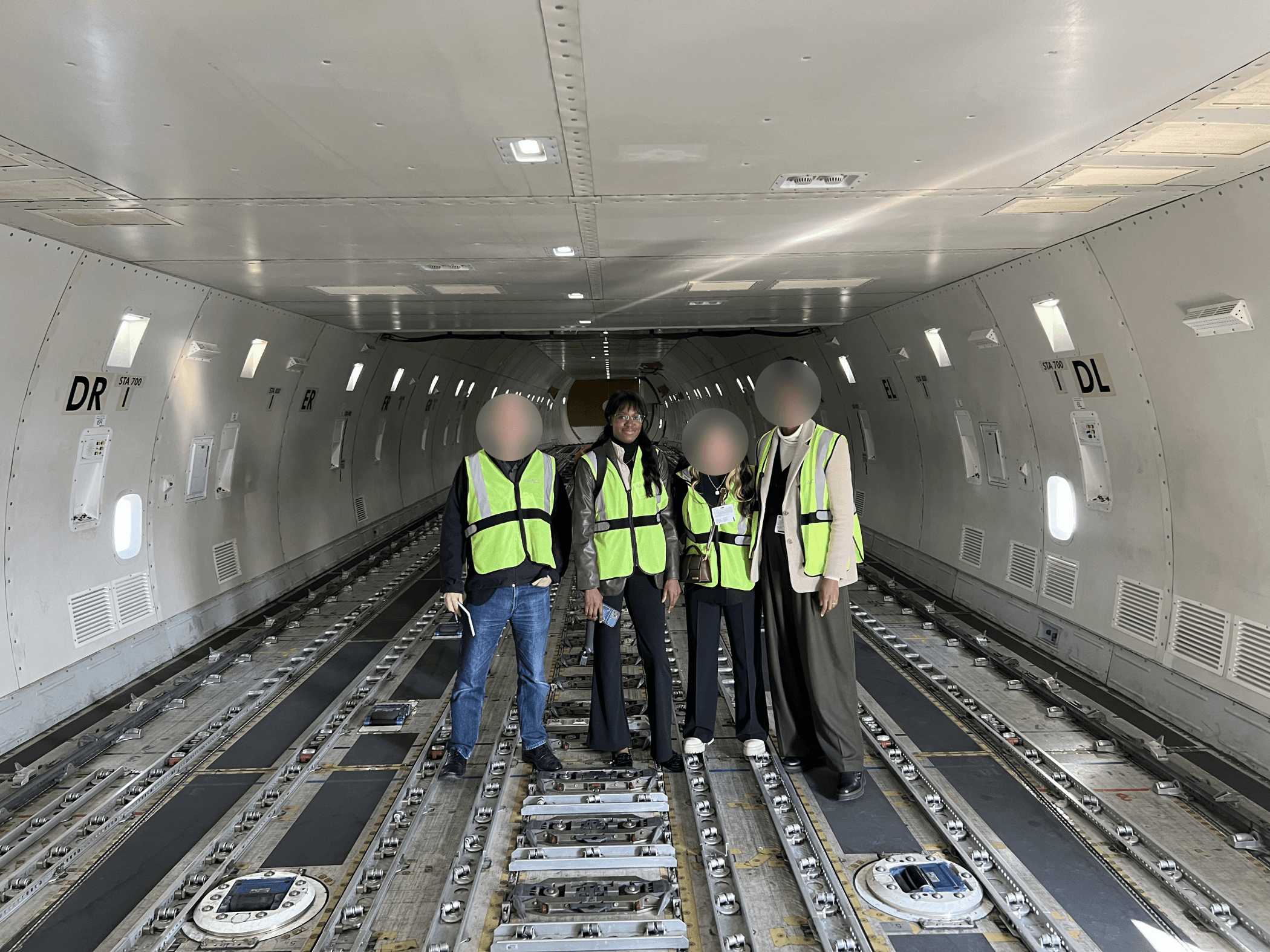
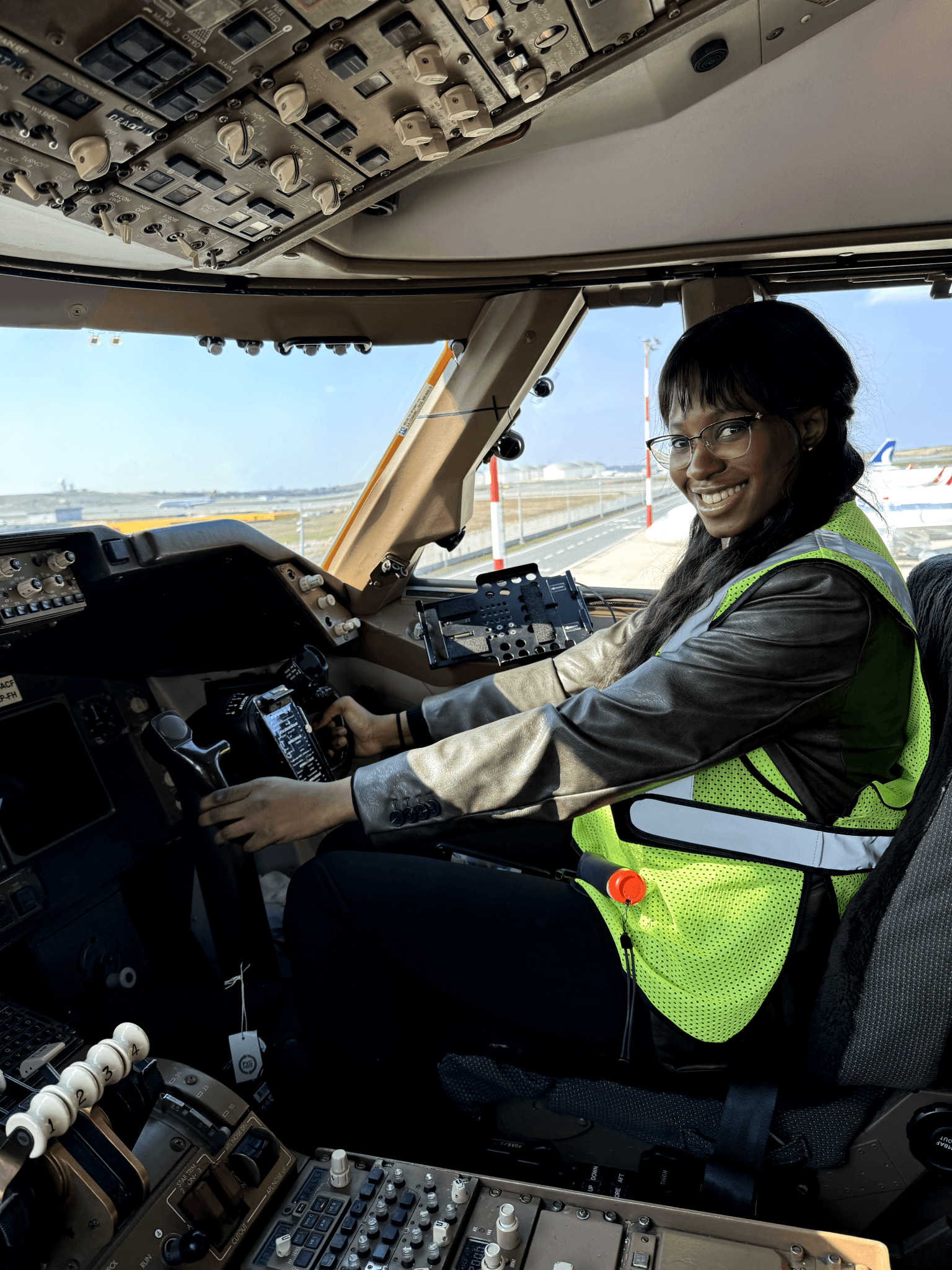
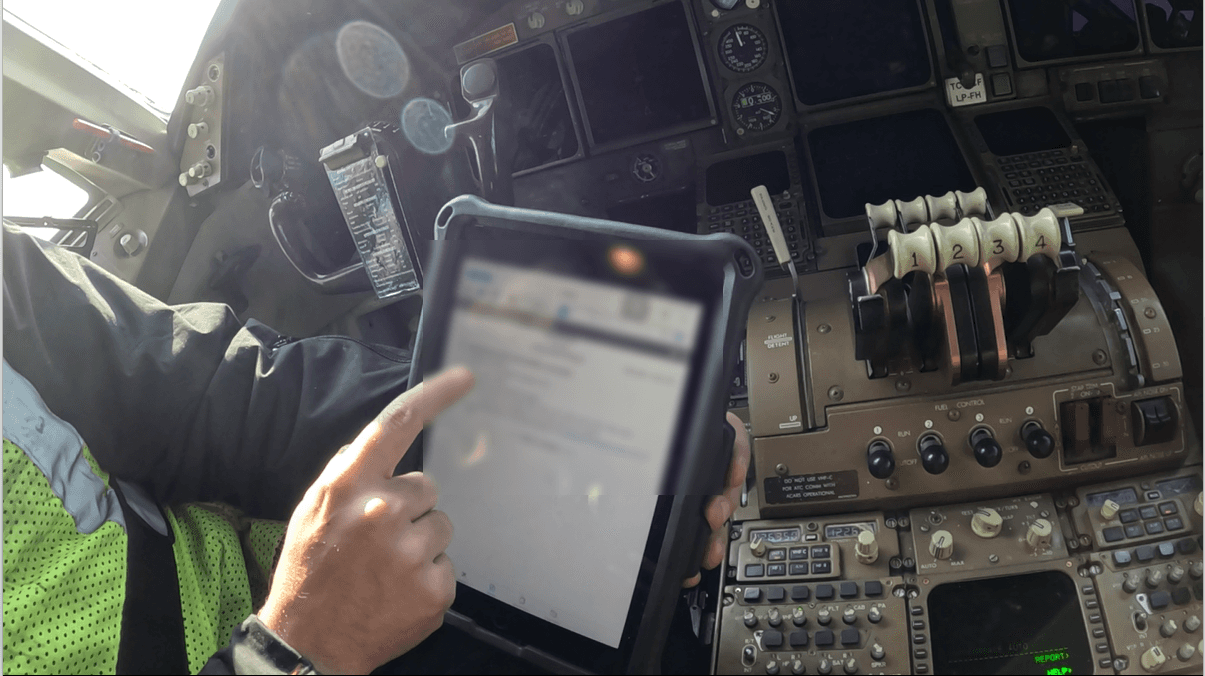
  • What I Did: Conducted site visits, shadowed engineers (contextual observations), and designed AI-integrated workflows to empower junior staff.

  • Why: To reduce fault resolution times and create scalable decision-making tools that improve efficiency across the team.

  • Impact: Demonstrated a 30% faster fault completion rate compared to the historical manual workflow. Validating the prototype’s ROI potential through stakeholder presentations.
UX Process Snapshot

Research and analysis

To streamline fault diagnosis and reduce dependencies on senior engineers, I conducted immersive research during a two-day on-site visit to Istanbul, Turkey.

Key pain points revealed:

  • Disconnected tools and processes (e.g., reliance on separate systems).

  • Ambiguous fault codes without complete diagnostic data.

  • Limited access to technical documentation.

  • Over-reliance on senior engineers for decision-making.

  • Manual communication methods (e.g., WhatsApp), slowing collaboration.

User Insights & Preferences

Feedback showed engineers desired AI support to supplement fault resolution. This included real-time communication, guided workflows, and integration of data systems. The research validated the need for AI to reduce manual processes while preserving trust in existing technical manuals.

Methodology Overview

  • Shadowed engineers to observe live fault diagnosis.

  • Hosted stakeholder interviews to understand workflow challenges.

  • Analysed existing tools and user flows, highlighting inefficiencies.

  • Tested the prototype to verify alignment with user expectations.

UX Process Snapshot

Research and analysis

To streamline fault diagnosis and reduce dependencies on senior engineers, I conducted immersive research during a two-day on-site visit to Istanbul, Turkey.

Key pain points revealed:

  • Disconnected tools and processes (e.g., reliance on separate systems).

  • Ambiguous fault codes without complete diagnostic data.

  • Limited access to technical documentation.

  • Over-reliance on senior engineers for decision-making.

  • Manual communication methods (e.g., WhatsApp), slowing collaboration.

User Insights & Preferences

Feedback showed engineers desired AI support to supplement fault resolution. This included real-time communication, guided workflows, and integration of data systems. The research validated the need for AI to reduce manual processes while preserving trust in existing technical manuals.

Methodology Overview

  • Shadowed engineers to observe live fault diagnosis.

  • Hosted stakeholder interviews to understand workflow challenges.

  • Analysed existing tools and user flows, highlighting inefficiencies.

  • Tested the prototype to verify alignment with user expectations.

UX Process Snapshot

Research and analysis

To streamline fault diagnosis and reduce dependencies on senior engineers, I conducted immersive research during a two-day on-site visit to Istanbul, Turkey.

Key pain points revealed:

  • Disconnected tools and processes (e.g., reliance on separate systems).

  • Ambiguous fault codes without complete diagnostic data.

  • Limited access to technical documentation.

  • Over-reliance on senior engineers for decision-making.

  • Manual communication methods (e.g., WhatsApp), slowing collaboration.

User Insights & Preferences

Feedback showed engineers desired AI support to supplement fault resolution. This included real-time communication, guided workflows, and integration of data systems. The research validated the need for AI to reduce manual processes while preserving trust in existing technical manuals.

Methodology Overview

  • Shadowed engineers to observe live fault diagnosis.

  • Hosted stakeholder interviews to understand workflow challenges.

  • Analysed existing tools and user flows, highlighting inefficiencies.

  • Tested the prototype to verify alignment with user expectations.

UX Process Snapshot

Research and analysis

Research and analysis

To streamline fault diagnosis and reduce dependencies on senior engineers, I conducted immersive research during a two-day on-site visit to Istanbul, Turkey.

Key pain points revealed:

  • Disconnected tools and processes (e.g., reliance on separate systems).

  • Ambiguous fault codes without complete diagnostic data.

  • Limited access to technical documentation.

  • Over-reliance on senior engineers for decision-making.

  • Manual communication methods (e.g., WhatsApp), slowing collaboration.

User Insights & Preferences

User Insights & Preferences

Feedback showed engineers desired AI support to supplement fault resolution. This included real-time communication, guided workflows, and integration of data systems. The research validated the need for AI to reduce manual processes while preserving trust in existing technical manuals.

Methodology Overview

  • Shadowed engineers to observe live fault diagnosis.

  • Hosted stakeholder interviews to understand workflow challenges.

  • Analysed existing tools and user flows, highlighting inefficiencies.

  • Tested the prototype to verify alignment with user expectations.

Key Takeaways

  • Adapting to Complex Domains: This project honed my ability to quickly learn and adapt to highly technical environments, such as aerospace engineering.

  • Managing Cross-Functional Teams: I gained experience in working across product, engineering, and design teams, balancing multiple stakeholder priorities in a high-pressure project setting.

  • Building Resilience in Uncertainty: The abrupt end of the project highlighted the importance of being adaptable and continuing to find value in work, even when circumstances change unexpectedly.

😋 Turkey is a beautiful country with an even more beautiful culture and cuisine. I ended this part of my career journey on a high note.

Other Projects:

Design System

Designing a design system from scratch

Case Study

Virtual Assitant

Designing a corporate Chat GPT for enterprise businesses

Case Study

Waakei

Transition a non-digital catering company to the web

Case Study

Movie Glu

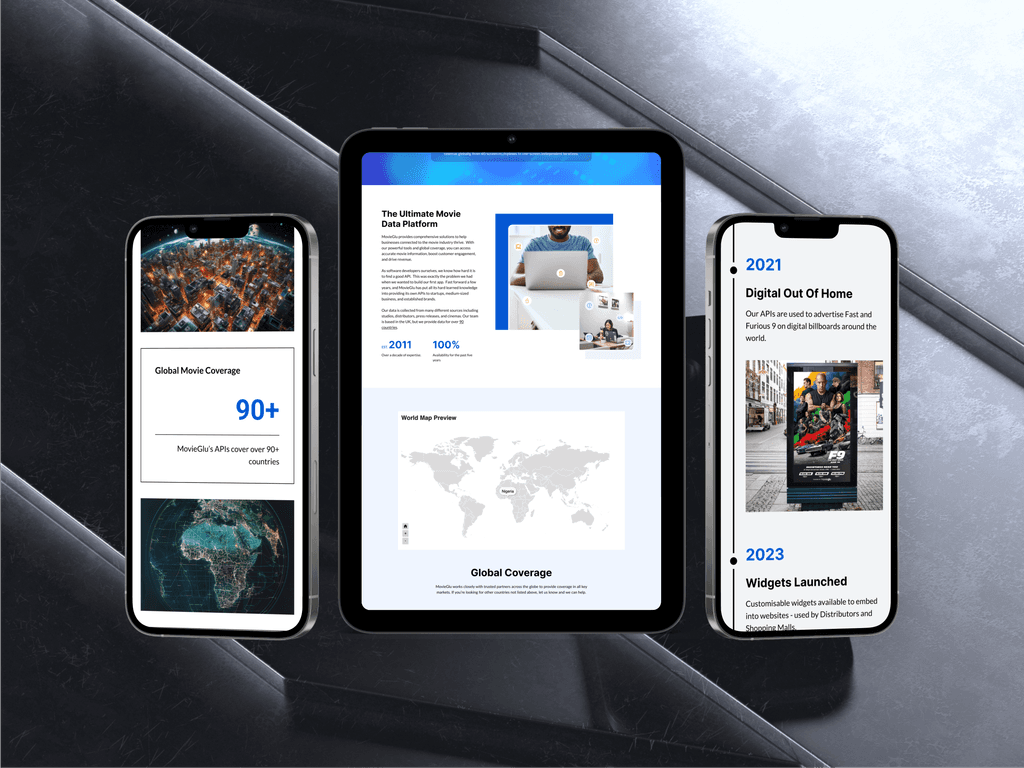
How I redesigned Movie Glu's website, a movie data provider

Case Study

Would you like to get in touch? Drop me a line at

naomioalao@gmail.com

Would you like to get in touch? Drop me a line at

naomioalao@gmail.com

Would you like to get in touch? Drop me a line at

naomioalao@gmail.com

Would you like to get in touch? Drop me a line at

naomioalao@gmail.com

Would you like to get in touch? Drop me a line at

naomioalao@gmail.com